
Swiss housing context

Strong rental demand and a clearly documented housing need.

CIVANTIS grounds its public positioning in verifiable official information. Project decisions always use the data available at the time of the specific assessment.

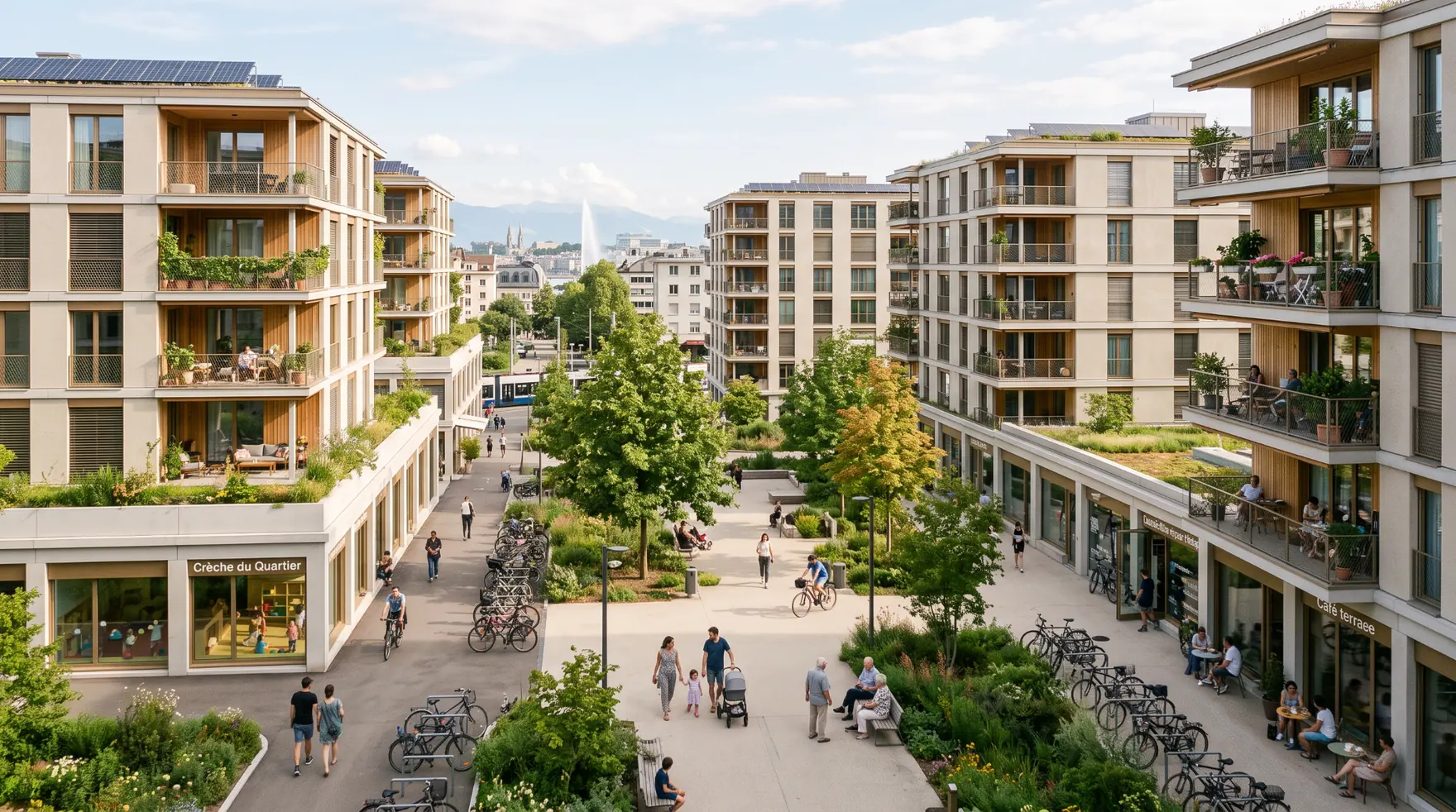
Swiss urban context
CIVANTIS concept visualisation — illustrative image, not a photograph of a completed project.
0.93%Swiss dwelling vacancy rate on 1 June 2026.
45,493Vacant dwellings recorded across the country.
34,690Vacant dwellings offered for rent.
6th yearConsecutive decline in the vacancy rate.

Public data rechecked on 1 October 2026.

Particular pressure on lower- and middle-income households

The Swiss Federal Office for Housing reported in September 2026 that market conditions had tightened further. People with lower and middle purchasing power are particularly exposed to difficulties accessing housing.

Public instruments already exist

Swiss housing policy can work through land, long-term building rights, support for public-interest housing and cantonal or municipal instruments. The exact options vary by location and project and need to be verified case by case.

Long-term building rights

A public authority can retain ownership of land while granting a long-term right to build and use the site. This can support housing policy objectives without a permanent disposal of public land.

Official sources

Swiss Federal Office for Housing — dwelling vacancy rate, 10 September 2026Swiss Federal Office for Housing — housing market and publicationsSwiss Federal Office for Housing — long-term building rightsSwiss Federal Office for Housing — public-interest housing statistics

A housing need, a site or a potential partnership?

We assess concrete opportunities with a long-term perspective.

Contact us